The recent Iran-related confrontations have done more than reshape regional security calculations — they are accelerating a fundamental shift in how wars are fought. Artificial intelligence is no longer an experimental enhancement on the battlefield; it is becoming a core combat multiplier, changing targeting, command and control, logistics, and information operations. For technologists, investors, policymakers and defense planners, the implications extend far beyond the immediate theater: the economics of defense procurement, the structure of military-industrial partnerships, and the global ethics and regulatory debate over autonomous systems are all in flux.
What happened — in plain terms
Recent engagements involving Iranian forces and regional adversaries have highlighted the practical deployment of AI-enabled systems across several domains. Autonomous and semi-autonomous drones and loitering munitions, AI-assisted air defense and targeting, faster battlefield decision loops powered by machine learning, and intensified information operations leveraging synthetic media have appeared in various roles. The net effect: engagements are faster, more dispersed, and more reliant on data and algorithms than previous conflicts.
Why this signals a paradigm shift
We’re moving from “digitally enabled” warfare to “algorithmically driven” warfare. Several dynamics explain why recent events matter as an inflection point:
- Acceleration of the OODA loop — Observe, Orient, Decide, Act cycles are compressed through AI, enabling near-real-time targeting and dynamic re-tasking of assets.
- Democratization of lethality — Off-the-shelf sensors, open-source models, and commercial compute lower the barrier for deploying advanced capabilities.
- Software-first procurement — Military advantage increasingly depends on software updates and data pipelines, not just hardware platforms.
- Convergence of cyber, electronic and kinetic domains — AI stitches together intelligence, electronic warfare and physical effects into coordinated campaigns.
How the AI industry is directly affected
The impact radiates across multiple layers of the AI value chain:
Beneficiaries
- AI infrastructure providers: demand for GPUs, edge accelerators, and secure data centers will rise as defense customers prioritize high-throughput model training and low-latency inference at the edge.
- Specialized startups: companies building autonomy stacks, multi-agent coordination software, and perception systems stand to grow rapidly through defense partnerships and dual-use commercial contracts.
- Cloud and data firms: secure, sovereign cloud services for classified or sensitive workflows will see increased procurement.
- Cybersecurity vendors: protective AI for networks, supply chains and operational technology will experience stronger demand as adversaries target AI systems.
Threatened actors
- Legacy defense contractors that emphasize hardware over software and lack agile development practices may lose share to nimble, software-centric entrants.
- States with limited domestic AI ecosystems may find their strategic options constrained if sanctions or supply-chain restrictions limit access to critical components.
- Civil liberties and privacy — broader militarization of AI risks spillover into domestic surveillance, eroding public trust and exposing companies to regulatory and reputational risk.
Market implications and business impact
This shift will rewrite procurement, funding flows, and corporate strategy:
- Procurement follows software: militaries will prioritize platforms that can be continuously upgraded. Contracts will increasingly resemble SaaS or subscription models rather than one-off hardware buys.
- M&A and investment focus: Expect heightened investment into autonomy, sensor fusion, and trusted compute startups. Larger defense primes will acquire software firms to shore up capabilities.
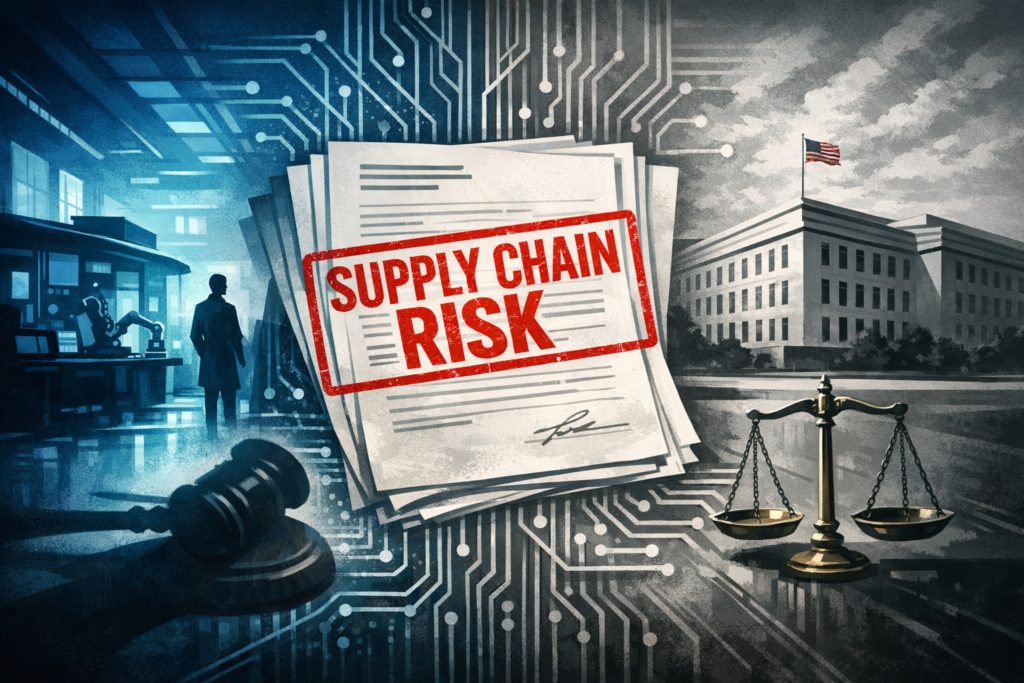
- Supply chain and geopolitics: Export controls on semiconductors, model weights, and training data will shape which vendors can participate in certain markets, heightening the importance of trusted suppliers and data localization.
- Compliance and reputational risk: Commercial AI providers entering defense must balance national security contracts with global customer bases, facing complex export control, sanctions and human-rights considerations.
Practical, real-world use cases emerging now
Recent clashes showcase practical applications that will scale quickly:
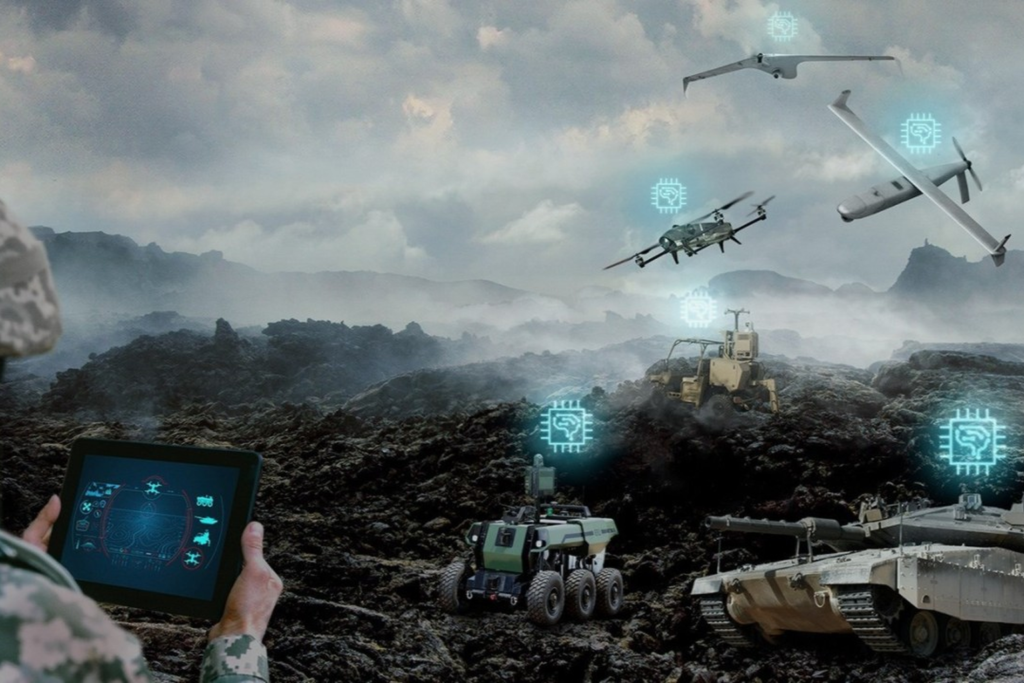
- Drone swarms and collaborative autonomy: Multiple low-cost UAVs coordinate via local ML models to overwhelm air defenses or conduct distributed ISR (intelligence, surveillance, reconnaissance).
- AI-assisted air defense: Machine learning enhances radar signal classification, reduces false positives, and automates missile intercept decision support.
- Predictive logistics: AI forecasts supply needs and routes in contested environments, optimizing resupply under dynamic threat conditions.
- Rapid open-source intelligence (OSINT) fusion: Automated scraping and multimodal analysis turn social media, satellite imagery and sensor feeds into near-real-time battlefield insights.
- Cyber and electronic warfare automation: Adversarial AI can probe network defenses at scale while automated defenses detect and respond faster than human operators.
Who gains strategic advantage — and who loses it
Strategic winners will be those that combine datasets, compute and operational feedback loops effectively. States and organizations that integrate AI into doctrine, create secure data pipelines, and run realistic training cycles will outpace those that merely buy new platforms.
Conversely, actors reliant on rigid command hierarchies, brittle logistics, or legacy platforms will be disadvantaged. Non-state groups may gain asymmetric capabilities through accessible AI tools but will still face limits around high-end sensors and sophisticated electronic warfare.
Policy, ethics and regulatory fallout
The increased use of AI on the battlefield intensifies debates over autonomous weapons, accountability, and civilian protection. Expect three near-term developments:
- Heightened export controls on AI-enabled hardware and models, especially for dual-use technologies.
- International normative efforts to delineate acceptable use of autonomy and non-combatant protections — though binding agreements will be difficult without broad consensus.
- Corporate governance pressure as investors, NGOs and customers demand clearer policies on defense engagements and human-rights due diligence.
Expert predictions: where this goes next
- Short term (12–24 months): Rapid deployment cycles for software-defined platforms; increased procurement of trusted-edge AI hardware; intelligence fusion centers scale up ML capabilities.
- Medium term (2–5 years): Wider adoption of coordinated unmanned systems and automated command-and-control aids; growth in sovereign AI stacks as nations hedge against supply disruptions.
- Long term (5+ years): Norms and partial agreements emerge around specific lethal autonomous capabilities; persistent AI-enabled decision aids become routine across military and humanitarian operations.
How businesses and technologists should respond
Companies and technologists need a multi-pronged approach to remain resilient and ethical contributors:
- Design for robustness: Invest in adversarial robustness, explainability and resilience against data-poisoning and model manipulation.
- Build trusted supply chains: Prioritize verifiable provenance for chips, models and datasets to meet regulatory and customer requirements.
- Implement responsible engagement policies: Create transparent frameworks for defense partnerships and human-rights assessments.
- Explore dual-use pathways: Commercialize defense-grade autonomy capabilities for civilian sectors (e.g., disaster response, infrastructure inspection) to diversify risk.
FAQ
Q: Is this the start of fully autonomous killing machines?
A: Not immediately. Current deployments emphasize human-in-the-loop or human-on-the-loop controls for engagement decisions. However, automation is increasing, and targeted policy and engineering safeguards are needed to prevent unchecked escalation.
Q: Will commercial AI companies be forced into military programs?
A: Some will by design (defense-focused startups), while others will face pressure via lucrative contracts or national security mandates. Firms must weigh financial incentives against reputational and ethical commitments.
Q: How will this affect civilian technology users?
A: Improvements in sensor fusion, autonomy and reliability developed for defense often migrate to civilian uses—benefiting logistics, emergency response and infrastructure. However, there is also risk of expanded surveillance capabilities and erosion of privacy if controls are weak.
Q: Can regulation keep up with rapid AI militarization?
A: Regulation often lags innovation. Effective oversight will require international collaboration, standards for testing and verification, and new export control regimes tailored to AI models and data as well as hardware.
Conclusion
The recent Iran-related confrontations are a wake-up call: AI is reshaping the character of conflict, turning software and data into strategic assets. For industry and policymakers, the imperative is clear — adapt procurement and business models, harden AI systems against adversarial use, and lead the policy conversation to define acceptable norms. The choices made now will determine whether AI mitigates risk and augments human decision-makers responsibly, or accelerates an unstable arms dynamic driven by opaque algorithms and fragmented governance.